Interview with the former developer and lead programmer of Impossible Mission 2
2026. március 16. 00:06 ∙
Rian link copied
Throughout the history of Hungarian video game development, many talented professionals have contributed to internationally successful games, yet their names remain largely unknown. CursorPunk aims to preserve these stories firsthand for future generations. The following interview is a fictional concept created solely for the visual design of the series.
- How did you get into the world of game development?
Programming started out as simple curiosity for me. Every new routine and every program that worked successfully presented another challenge. I soon realized that I didn't just want to write programs, but to create worlds that other people would enjoy playing in. At the time, this was still an entirely new field in Hungary.
- What was it like working in a Hungarian development team in the late 1980s?
The atmosphere was very close-knit. Everyone knew everyone, and we learned a tremendous amount from each other. If someone discovered a new trick involving the VIC-II or SID, they didn't keep it to themselves. This sharing of knowledge helped enormously as we worked to create increasingly better games.
- As lead programmer, what was your most important responsibility on a larger project?
I wasn't only responsible for my own code, but also for making sure that every part worked well together. We had to keep an eye on memory usage, performance, graphics routines, and ensure that the work of different developers came together as a single stable game. Coordination was often just as important as the programming itself.
- What was the biggest technical challenge on the Commodore 64?
Memory and CPU time. Every byte had its place, and every cycle mattered. We would often spend hours optimizing a routine just to make it a few percent faster. Those small improvements eventually added up, and that was what made the game run smoothly.
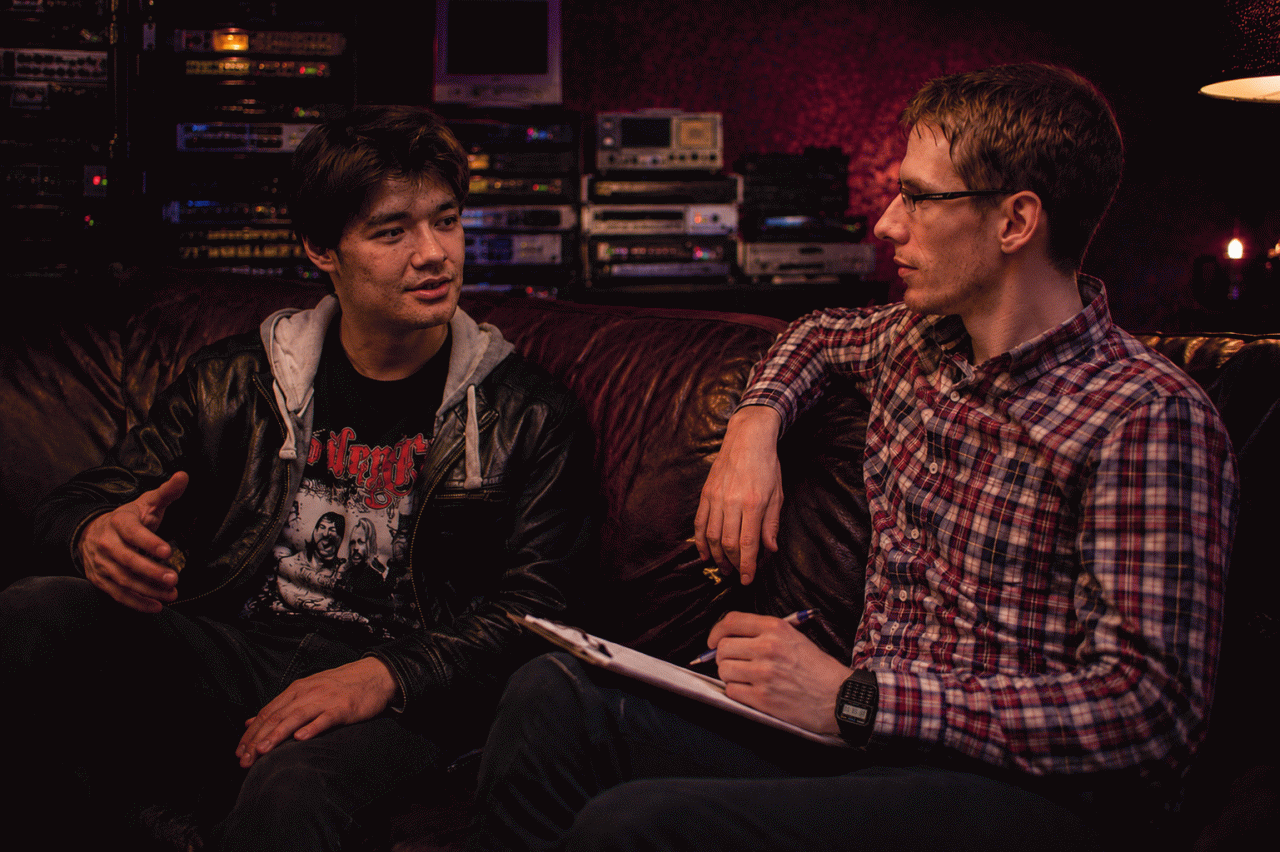
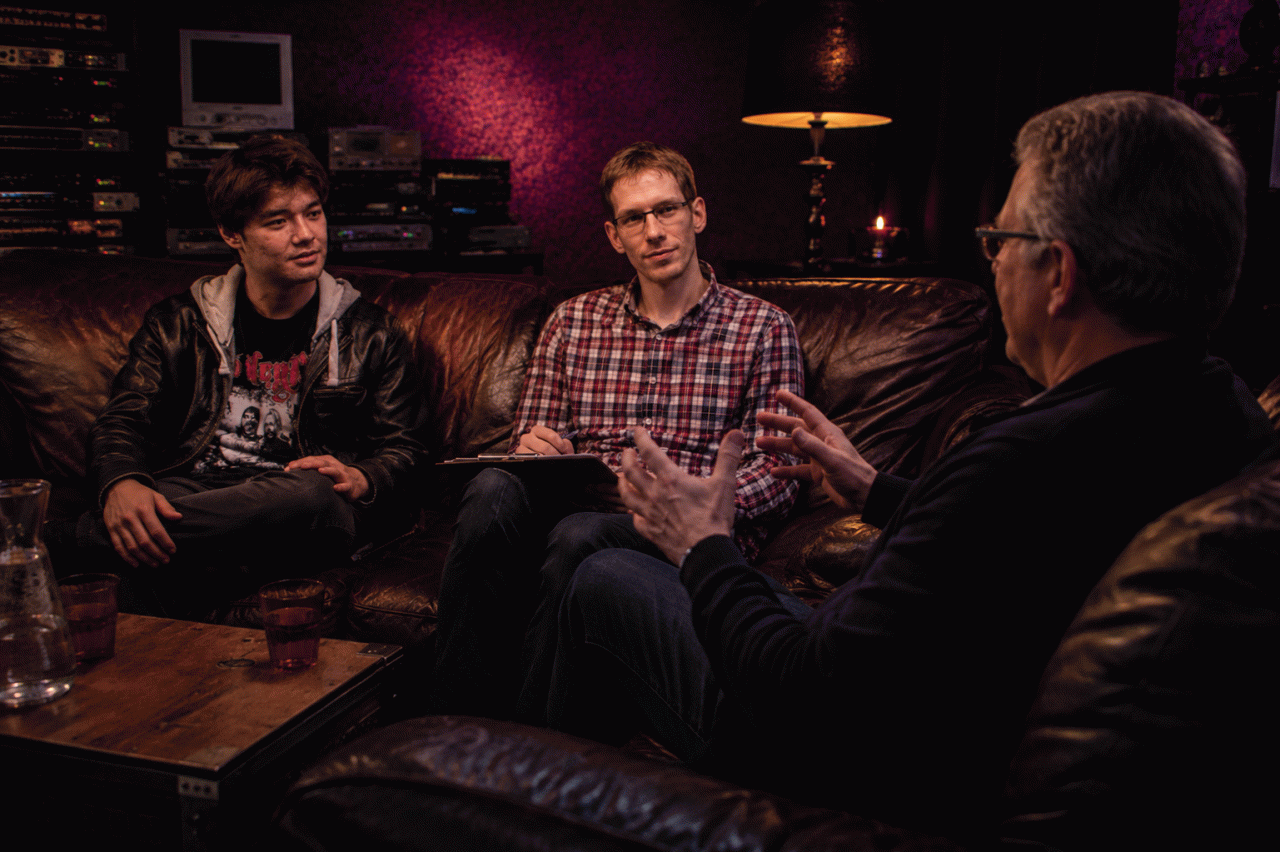
A game development team of the era.
- How did you debug games without the internet or modern development tools?
With a lot of patience. We often wrote our own diagnostic routines, monitored changes in memory, and tried to reproduce bugs. A difficult-to-reproduce bug could hold up development for days. At the same time, these situations taught us an enormous amount about how the hardware worked.
- How inspiring was the Novotrade development community?
Very. Programmers, graphic artists, composers, and game designers all worked together in one place. Ideas were constantly being exchanged. If someone created an impressive graphical effect or a faster algorithm, everyone wanted to see it. The whole environment was incredibly motivating.
- Later, you also worked on 16-bit consoles. How was that era different?
We had much more freedom, but players' expectations also increased significantly. We could create more detailed graphics, more complex animations, and larger levels. At the same time, we kept the same philosophy: get as much as possible out of the available hardware.
Game development documentation from the era.
- What are you most proud of today?
I'm proud that the games our team worked on are still part of video game history decades later. Technology has changed enormously, but seeing people still enjoying these classics today makes all the work we put into them worthwhile.